What about AI misinformation?
Another major worry from AI critics was that AI deepfakes would spread misinformation about candidates. While AI deepfakes were circulated, they do not appear to have had an outsize impact in many races.
For instance, deepfaked videos of Maine Senator-elect Troy Jackson appearing to threaten his campaign staff circulated the week before the election, but Jackson went on to win by more than seven percentage points. In Wisconsin, Van Orden posted several deepfake videos on social media of Cooke saying things she never said. Van Orden lost.
AI could become a bigger election issue
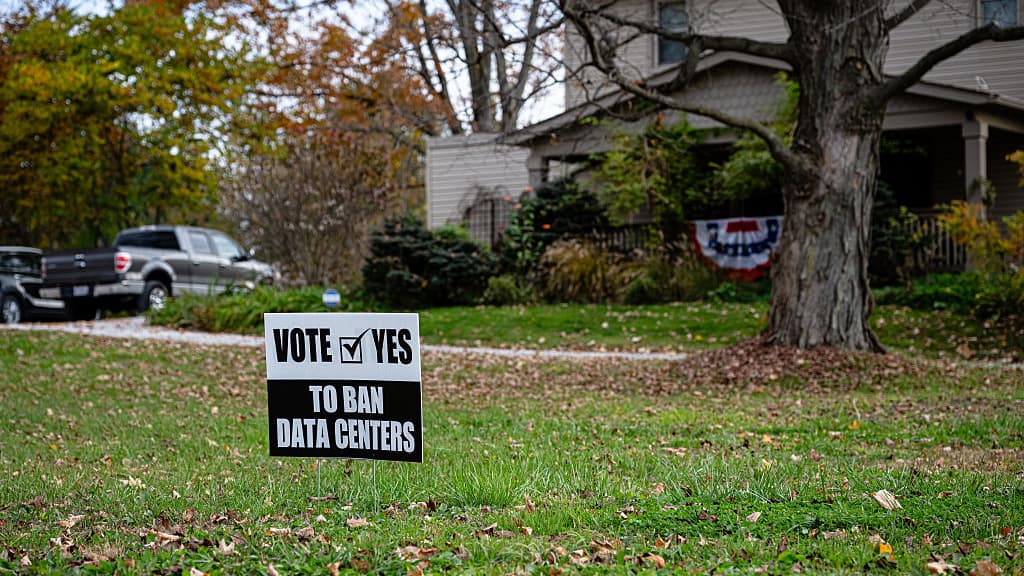
After two years of a pro-acceleration agenda, the AI industry is now preparing for a harsher political climate. OpenAI plans to launch a policy and PR offensive, Axios reports, including an effort to rebrand data centers as “AI compute campuses.” Meanwhile, Meta is reportedly building a bipartisan team to strengthen its relationship with Democrats, while maintaining its ties with Republicans. “There’s going to be a lot more questions from Congress,” says Steinhauser, whose Alliance for Secure AI Action is a bipartisan nonprofit that advocates for guardrails.