The U.S. economy is projected to add 5.9 million jobs between 2025 and 2035, according to the Bureau of Labor Statistics, while artificial intelligence reshapes office, media and computer roles. Jobs that won’t be replaced by AI tend to share a common profile: hands-on work, unpredictable settings and direct human contact. This guide reviews eight of them.
AI tools now draft emails, run data analysis and handle part of customer service. Some even specialize in generating images or video. Yet the BLS 2025 to 2035 projections, released in August 2026, place healthcare and social assistance at the top of job creation, with more than 2.2 million new positions. Many of the occupations below are also among the most common entry points into small business ownership, including through franchising.
What Makes a Job Resistant to AI?
Artificial intelligence performs best on repetitive, rules-based tasks carried out on a screen. Occupations are harder to automate when they combine several of the following traits:
- Physical dexterity: work performed with the hands, in cramped attics, crawl spaces or private homes
- Unpredictable environments: no two job sites, clients or animals are alike
- Emotional intelligence: trust, empathy and reassurance are part of the service itself
- Human judgment and problem solving: diagnosing a situation on the spot and adapting the response
- Licensing and liability: many trades require a state license held by a person
These human skills explain why healthcare professionals, tradespeople and personal service workers appear so often on lists of AI-resistant careers. Creative work is sometimes cited as well, although generative tools now compete on some tasks in that field.
Good to know
The BLS factors AI into its employment projections. According to the agency’s AI fact sheet, the expected impacts are concentrated in computer and mathematical roles, arts, design and media, business and administrative support, and legal services. None of the eight occupations below falls in those groups.
8 Jobs That Won’t Be Easily Replaced by AI
The eight occupations below are among the jobs that won’t be replaced by AI in the near term, based on the nature of the work and on BLS data. Several can be run as independent businesses, and some are also offered as franchises.
1) Electrician
Wiring a renovation, tracing a fault behind a wall or installing an EV charger depends on physical work and on-site diagnosis. Most states also require electricians to pass an exam and hold a license. The BLS projects employment growth of 9% from 2025 to 2035, with about 72,700 openings a year. Electrical services are also franchised, for example by Mr. Electric, one of the Neighborly home services brands.


Powering Your Home with Care
- Construction – Renovation
- Not disclosed
- Liquid capital: $65000

America’s On-Time Electrician
- Construction – Renovation
- Not disclosed
- Liquid capital: $75000

On time. Done right.
- Construction – Renovation
- Not disclosed
- Liquid capital: $Not disclosed
2) Plumber or HVAC Technician
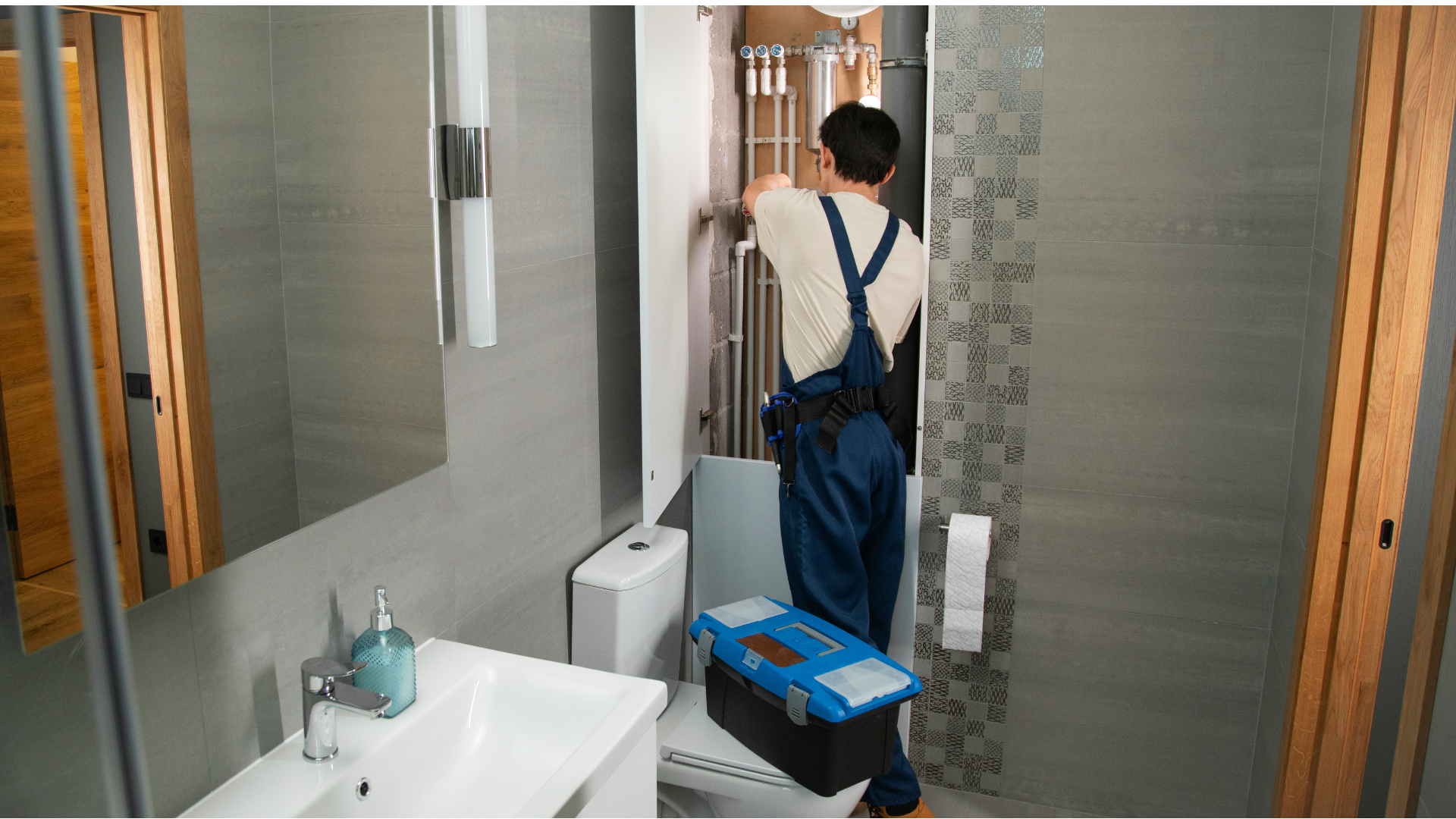
Leaks, clogged lines and failed furnaces rarely happen in the same way twice, which keeps problem solving at the core of the job. AI tools may help with scheduling or diagnostics, but the repair itself continues to require human hands. The BLS projects growth of 7% for plumbers and 11% for HVAC mechanics and installers over the decade. Franchise networks such as listed beow operate in these trades.

It’s Not Done, Until It’s Done Right.
- Construction – Renovation
- Not disclosed
- Liquid capital: $100000

Essential plumbing services, delivered with care.
- Construction – Renovation
- Not disclosed
- Liquid capital: $50000

Fast. Focused. Fixed.
- Construction – Renovation
- Liquid capital: $

Keep Life Flowing
- Construction – Renovation
- Liquid capital: $150000

The Punctual Plumber
- Construction – Renovation
- Liquid capital: $75000
3) Senior Care Professional

Helping an older adult bathe, dress or take medication involves physical care and daily emotional support. Home health and personal care aides form one of the largest U.S. occupations, with 4.7 million jobs in 2025. The BLS projects 18% growth through 2035, driven by an aging population and the shift toward care at home. Non-medical home care is also franchised:


Personalized home healthcare services
- Personal Services
- 400 Locations
- Liquid capital: $30000
- 3 reviews

Home Instead – stundenweise Seniorenbetreuung im eigenen Zuhause.
- Dienstleistungen für Privathaushalte
- Liquid capital: $75000

America’s Choice in Home Care
- Personal Services
- Not disclosed
- Liquid capital: $100000

Care That Changes Lives
- Personal Services
- Not disclosed
- Liquid capital: $Not disclosed
4) Childcare Professional

Supervising young children relies on constant attention, patience and emotional intelligence, qualities parents rarely associate with software. The BLS projects a slight 2% decline in childcare worker employment through 2035, but still expects about 150,300 openings a year as workers leave the field. Early education centers also operate as franchises, such as Kiddie Academy or Celebree School.

Where learning shines
- Personal Services
- Not disclosed
- Liquid capital: $Not disclosed

Start a business. Leave a legacy
- Personal Services
- Not disclosed
- Liquid capital: $Not disclosed

These Journeys
- Personal Services
- Not disclosed
- Liquid capital: $250000


Make a difference in early education and child care
- Personal Services
- Not disclosed
- Liquid capital: $Not disclosed
5) Tutor

AI chatbots can explain a math formula, yet tutoring also involves motivating a student, spotting what blocks them and adjusting the pace. Parents often value accountability and a personal relationship with the tutor. Those human elements keep in-person and live online tutoring in demand alongside digital learning tools. Tutoring centers are a common franchise format: Mathnasium reports more than 1,200 math learning centers.

Helping Kids Make Sense of Math
- Personal Services
- Not disclosed
- Liquid capital: $Not disclosed

Kids Coding. Future Ready
- Personal Services
- Not disclosed
- Liquid capital: $Not disclosed

Helping Students Succeed Since 1977
- Personal Services
- Not disclosed
- Liquid capital: $Not disclosed

Where learning is an adventure
- Personal Services
- Not disclosed
- Liquid capital: $Not disclosed
6) Pet Care and Grooming

Caring for animals requires patience, empathy and adaptability, whether grooming an anxious dog, providing daycare or managing a pet’s daily needs. These hands-on tasks remain difficult to automate fully. The BLS projects 11% growth for animal care and service workers from 2025 to 2035, with approximately 69,400 annual openings. Opportunities span grooming salons, pet boarding, daycare, walking and mobile services. Franchising is also established in the pet care sector with brands such as Kanu Pet, which combines pet retail, nutrition and grooming, or Skiptown, offering daycare, boarding, grooming and dog walking.


Pet nutrition and care
- Pet Care
- 30 Locations
- Liquid capital: $200000


The Spot for Pups & Their People
- Personal Services
- 3 Locations
- Liquid capital: $400000

One groom and one treat at a time!
- Personal Services
- Not disclosed
- Liquid capital: $100000

A Dog Care Franchise Worthwhile
- Personal Services
- Not disclosed
- Liquid capital: $500000
7) Cleaning Professional

Robot vacuums can handle open floors, but cleaning homes and commercial spaces still requires human attention to detail, from stairs and furniture to bathrooms and client-specific requests. This variety keeps much of the work hands-on. The BLS counts 2.4 million janitors and building cleaners and projects about 321,800 openings a year through 2035. Both residential and commercial cleaning are well-established franchise sectors, with brands such as Molly Maid for home cleaning and JAN-PRO for commercial cleaning.

Reclaim Your Time. Enjoy Your Home.
- Personal Services
- Liquid capital: $60000
8) Beauty Professional

A haircut, a color treatment or a manicure combines technical skill, taste and conversation. Clients often return to the same stylist for the relationship as much as the result. All states require barbers, hairstylists and cosmetologists to be licensed, and the BLS projects 7% growth through 2035. Beauty salon franchises are well established:

It’s Gonna Be Great
- Beauty – Wellness
- Not disclosed
- Liquid capital: $Not disclosed

A Cut Above
- Beauty – Wellness
- Not disclosed
- Liquid capital: $500000

Look Great. Feel Great
- Beauty – Wellness
- Not disclosed
- Liquid capital: $Not disclosed

Look Fantastic. Feel Unstoppable.
- Beauty – Wellness
- Not disclosed
- Liquid capital: $Not disclosed
Source: U.S. Bureau of Labor Statistics, Occupational Outlook Handbook, 2025 to 2035 projections. Total U.S. employment is projected to grow 3.5% over the same period. The BLS does not publish a dedicated category for private tutors.
Good to know
Under the FTC Franchise Rule (16 CFR Part 436), a franchisor provides its Franchise Disclosure Document at least 14 calendar days before a prospect signs or pays anything. The FDD is disclosure, not government approval. Several states also require franchise registration or filing, and trade licenses remain a state matter.
Frequently Asked Questions About Jobs That Won’t Be Replaced by AI
Jobs that combine hands-on work, variable environments and direct human contact are generally considered the hardest to automate. Examples include electricians, plumbers, HVAC technicians, home care aides, childcare workers, groomers, cleaners and beauty professionals.
The BLS concentrates its AI adjustments on computer and mathematical occupations, arts, design and media roles, business and administrative support positions, and legal services. These fields involve a large share of screen-based, information-processing tasks.
Yes, franchise networks exist in home services, senior care, early education, tutoring, pet grooming, cleaning and hair care. Each franchisor discloses its fees and estimated initial investment in its Franchise Disclosure Document, mainly in Items 5, 6 and 7.
This content is provided for informational purposes only and does not constitute legal, tax, financial, or professional advice. Laws and regulations vary by state and individual circumstances and may change over time. Readers should consult a qualified attorney, tax professional, or other licensed professional regarding their specific situation. Nothing herein creates an attorney-client relationship.