Talk to anyone who isn’t retiring this year about job security, and the conversation is bound to drift toward artificial intelligence and the very real threat it poses to human jobs. The more the bots track our movements and learn how it is we do our jobs and how we troubleshoot, the smarter they will become and eventually take our place, the logic goes.

Once upon a time, Americans feared that cheap overseas labor would end up with their jobs. Now the existential crisis comes from everywhere, even here, with American companies like Nvidia.
Is any occupation protected from AI poaching, beyond plumbing and sanitation engineer? How about car designers? Sure, AI can generate all sorts of car concepts in a matter of seconds, but are they just reinterpreted versions of cars already in production? And designing for manufacturability is a critically important skill in today’s auto industry that relies on cross-functional teams to check each other’s work and, for instance, make sure that wild instrument panel will actually fit through the narrow door opening of the sleek two-seater on the assembly line.
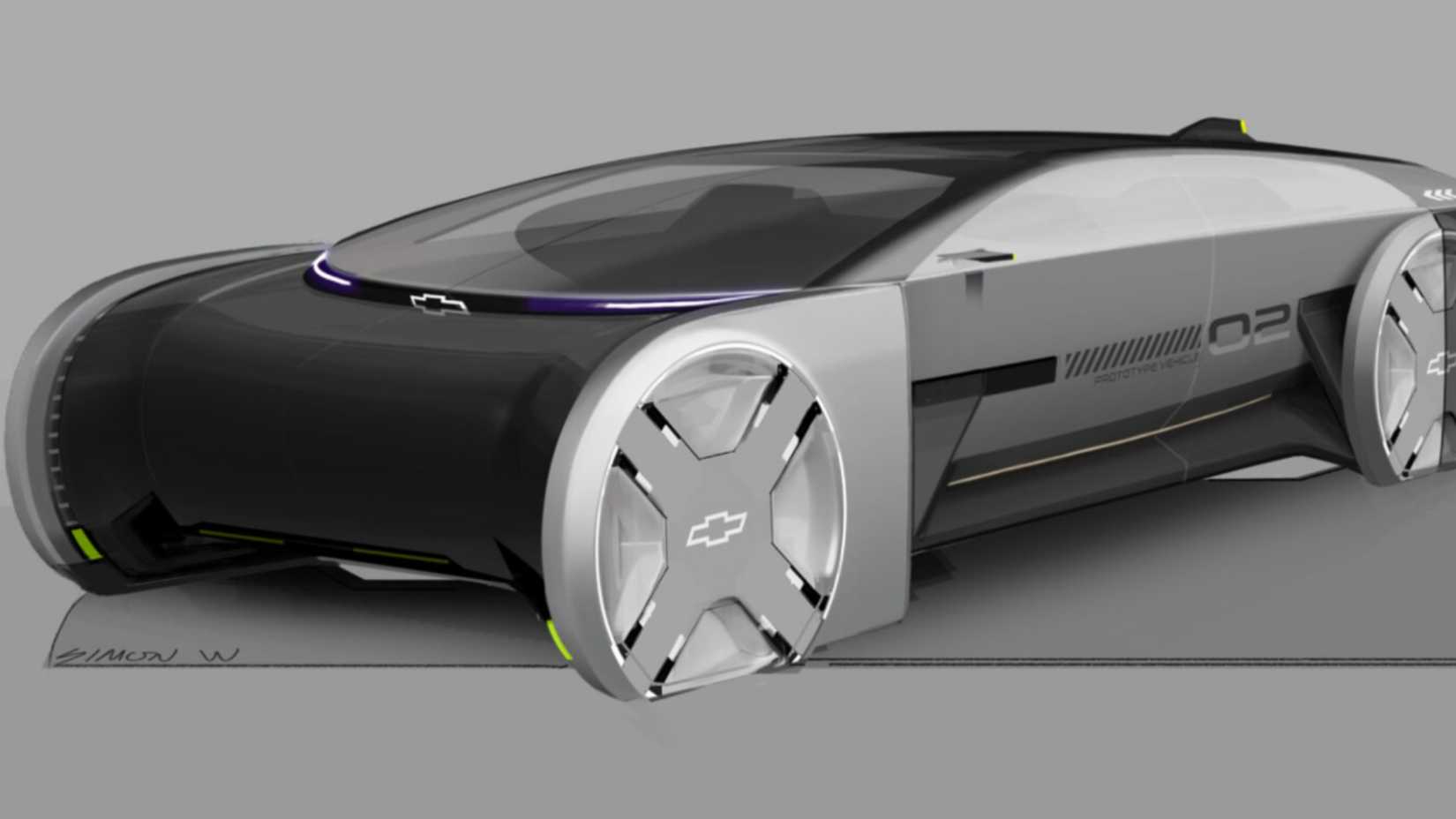
Designers and engineers at General Motors have decided that resistance is futile, and that it’s better to see how much AI can improve their work than dig in their heels and insist the human brain is the only asset that matters. “Processes that once took weeks or months of heavy lifting now happen in minutes, creating efficiencies that allow more room for human creativity,” the company says about the application of AI, not for taking over car design but augmenting human creativity and accelerating product development.
The Pencil Still Matters
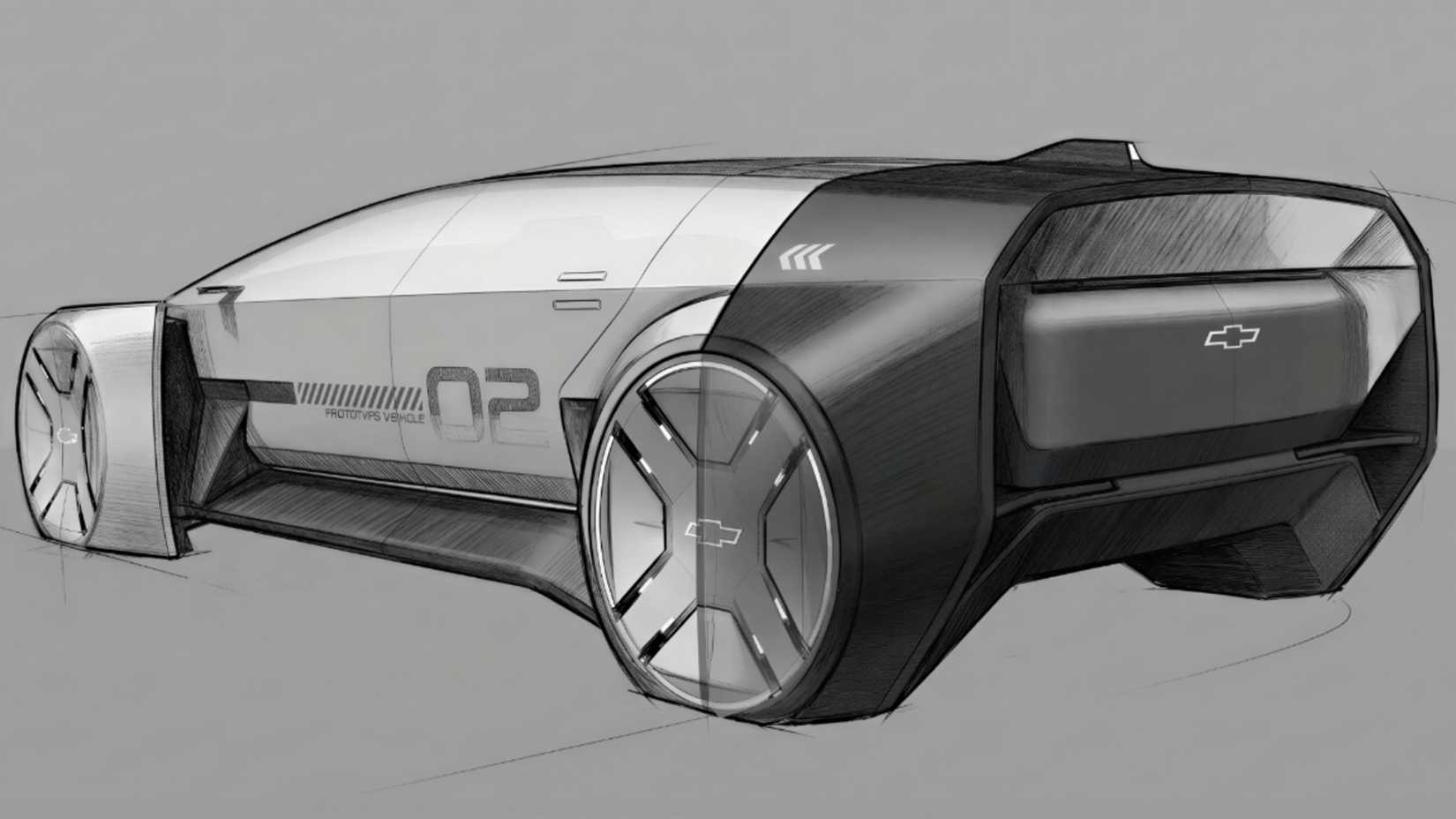
GM’s design team sees AI freeing up “creatives” at the automaker to dream up more ideas and more iterations, and they say every new vehicle still comes from the tip of a pencil in the hand of a breathing designer who has studied what customers want. “What’s changed is what designers can extrapolate from those earliest sketches in a single day,” the automaker says.
“Human creativity sets the vision, AI helps us see the outcomes of that vision sooner.”
–GM Designer Daniel Shapiro
In a recent project, designer Daniel Shapiro, who has experimented with AI-driven visualization tools, fed a series of hand-drawn sketches of a futuristic Chevrolet concept into an AI tool. The AI tool generated several images and a teaser animation that showed the concept in 3D motion.

Fake AI Stories Are Sending People To Buy Cars That Don’t Exist
But what happens after customers learn these cars aren’t real?
“Traditionally, going from design sketch to high‑quality animation would have taken multiple teams multiple months of work,” Shapiro says. “Now this can be all done in less than a day by a single designer,” even without extensive visualization skills.
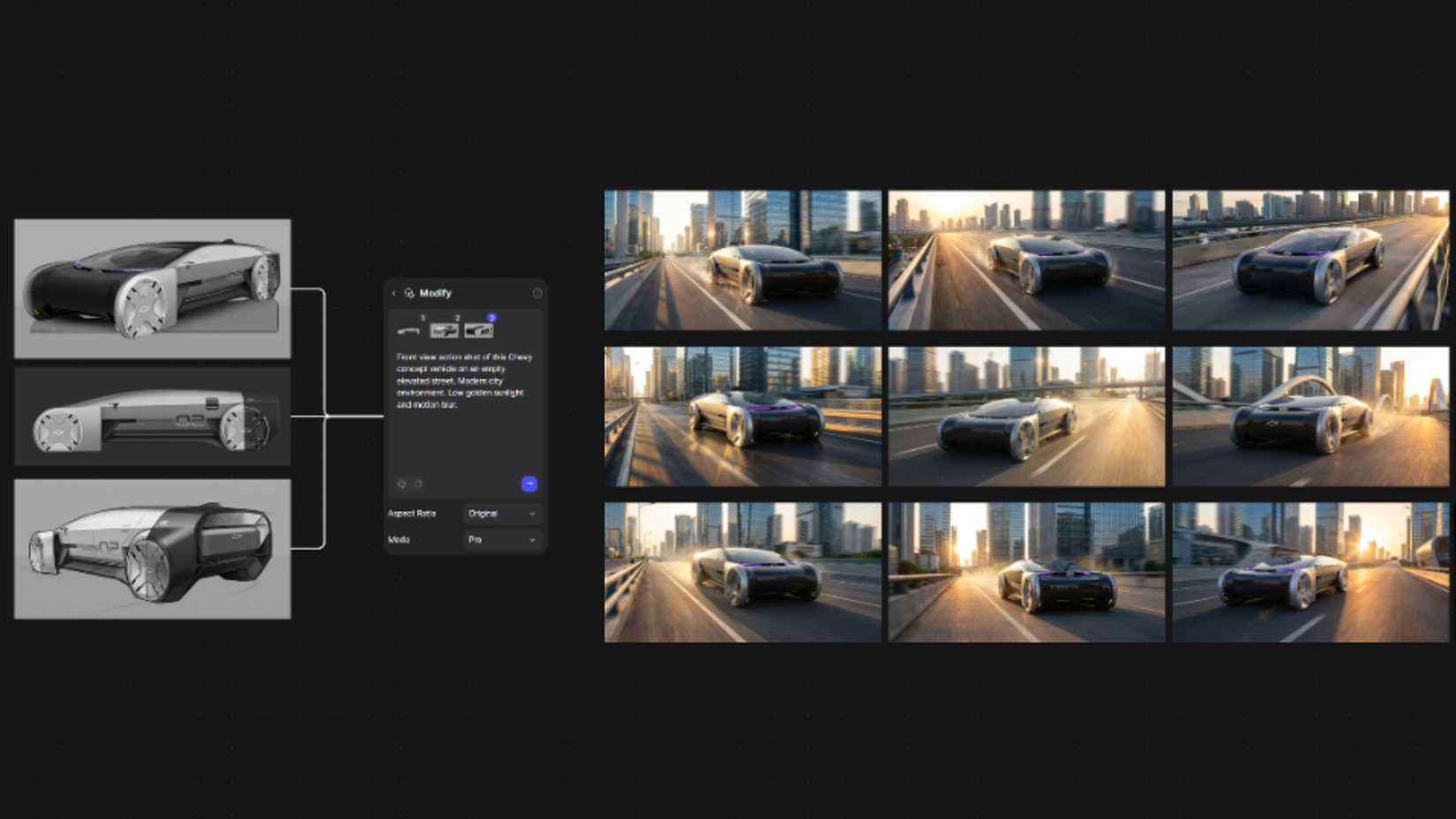
GM says AI can change what’s creatively possible because designers can rapidly generate dozens of variations of a single design, pull the most compelling ones aside, and refine them. Meanwhile, AI handles much of the technical setup required for a 3D render. “This process used to consume days of manual work,” the automaker says. Shapiro says the new tool has fundamentally changed his team’s workday. But AI can only do what it’s told – at least for now – so a human is necessary to keep GM’s four brands distinct.
Humans Are In Charge, For Now
“AI isn’t a one‑click solution,” Shapiro says. “We’re working with it and we’re often working against it to get the result we want.” And the decision-making still rests with the humans, for now.
“We’re still the ones deciding what feels like a Buick, a GMC, a Cadillac, and in this case, a Chevy.”
–GM Designer Daniel Shapiro
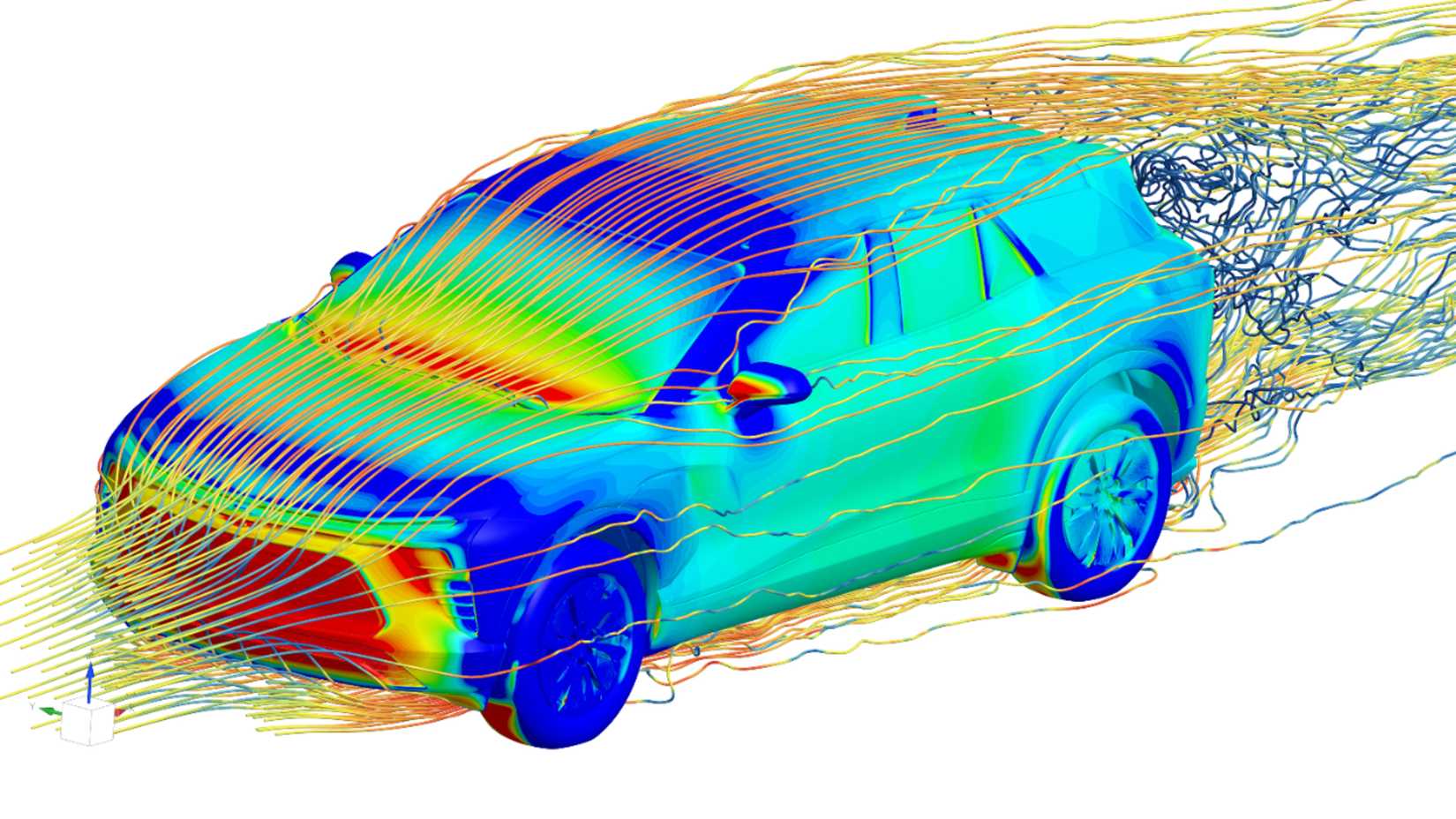
Engineers at GM are starting to use AI for the historically time-consuming process of validating a vehicle’s aerodynamics. The aerodynamics team created an AI‑powered virtual wind tunnel that predicts drag and plugs that information directly into digital sculpting tools already in use.
GM has traditionally relied on high‑fidelity computational fluid dynamics and full‑scale wind tunnel testing, both expensive and time-consuming. Engineers would then spend days and weeks reading those results in suggesting design modifications.

BMW Is Letting AI Do Its Quality Control Now
Of course, there will still be a human element at this point, but this is just the start.
“It used to take about two weeks for us to do a full cycle of this sort of design and engineering iteration,” says Rene Strauss, Director of GM’s Virtual Integration Engineering. “And now what we’re looking at is instant.” Now, an aerodynamicist and designer can sit in front of the same screen, “tweak a roofline or hood, and see how those changes affect drag nearly in real time – cutting weeks from testing timelines,” the automaker says.
GM insists it isn’t handing the keys to AI, even though there’s a broad push to embed AI throughout the automaker’s design and development workflows. But again, GM only sees AI as “a force multiplier for human expertise.”
Source: General Motors