ARCADIA, Fla. (WINK)— A proposed artificial intelligence data center in DeSoto County is part of a record-breaking trend sweeping the nation.
The four largest tech companies in the U.S. spent more than $130 billion in the first quarter of the year, according to financial records.
Most of that money was spent on data centers, like the one proposed in DeSoto County.
Nathan Headrick came to WINK Listens in Arcadia with his concerns about a proposed AI data center less than a mile from his house.
“It’s going to take up a lot of water, which we’re in a drought. We stay in droughts. We don’t have a lot of the water that these centers typically need,” said Headrick.
He wasn’t the only one concerned with the water.
“Where is that going to come from? I’m on a well, we’re currently on watering restrictions,” said Don Beal-Viar.
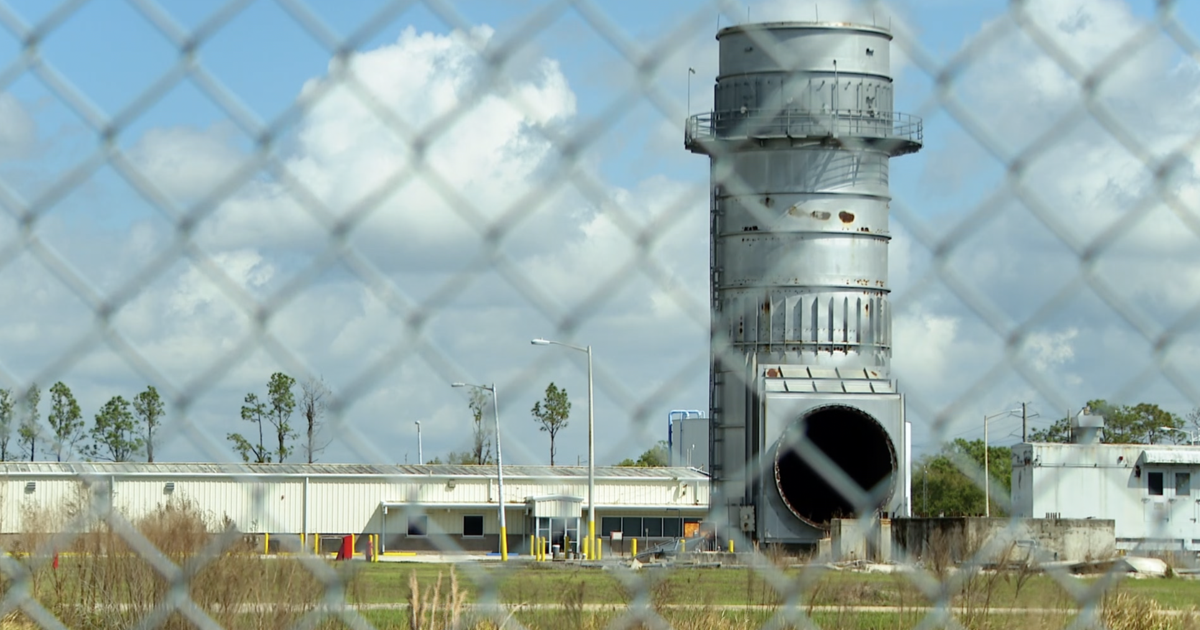
In March, DeSoto County commissioners gave final approval for DeSoto County Industrial Park to build a 35,000-square-foot data center at the site of a former power plant.
The company’s CEO previously told WINK News the site will be energy independent.
“It can’t impact the rate payers because it’s not drawing from the grid. So, they don’t need to worry about that,” said John Brown.
Data centers are popping up in nearly every corner of the U.S.
According to a recent report from the American Edge Project, a pro-tech advocacy group, there are currently 4,200 data centers operating in the U.S. along with nearly 3,000 under construction to fuel America’s AI boom.
“Data centers require a lot of energy and water resources and then on the operational side, provide minimal long-term employment opportunities. Most of the data center jobs that you see are going to be associated with construction,” said Dr. Lauren Withycombe Keeler of Arizona State University.
That has lawmakers trying to keep up and protect rate payers.
Last week, a congressional hearing focused specifically on legislation to address large data center energy use.
Gov. Ron DeSantis says he soon plans to sign a bill that will require data centers to pay for their own utilities.
“It was a strong consumer protection bill. Not as strong as I would have hoped. It did get watered down a little bit. But it will prevent any increase in power costs being passed on to consumers,” said DeSantis.
Back at WINK Listens, Headrick worries his small-town way of life may soon be coming to an end.
“Frankly, there are some things that are just not for sale,” said Headrick.
DeSoto County commissioners say the data center there could generate more than $30 million a year in tax revenue. The company says it would hire 25 workers for the first phase, with plans to expand in the future.