Artificial intelligence has quietly transitioned from an experimental concept into an everyday workplace collaborator across major global economies. A recent ranking by World Population Review highlights how the integration of automated tools is reshaping daily professional routines and altering traditional career hierarchies. Rather than replacing human workers, these technologies are transforming roles by enhancing speed, precision and strategic decision-making in modern organizations.
Enterprise leadership and regulatory models
In the U.S., enterprise adoption leads the world, with more than 60 percent of knowledge workers utilizing automated platforms weekly to streamline finance, marketing and software development.
Across the Atlantic, the United Kingdom has seen rapid integration in professional services like law and consulting to accelerate complex research and documentation. Meanwhile, Singapore stands out for its strong state support, embedding advanced tools directly into public administration, logistics and financial networks.
In contrast, European nations prioritize caution, ethics and strict data protection. Germany focuses on integrating automated systems into high-precision manufacturing and engineering, while France invests heavily in specialized technology startups. The broader European Union is establishing global benchmarks through comprehensive legislation, ensuring transparency and accountability. This emphasis on compliance creates a predictable environment that builds long-term institutional trust.
Regional innovation across Asia
Asia displays a remarkably diverse landscape of technological deployment. China leverages automation at a massive scale within manufacturing, e-commerce and national infrastructure. In India, technology enhances IT services and customer support networks, strengthening its position as a primary international outsourcing hub. Meanwhile, Japan relies on technology to counter severe demographic challenges, developing specialized robotic assistants to support healthcare workers and care for one of the oldest populations in the world.
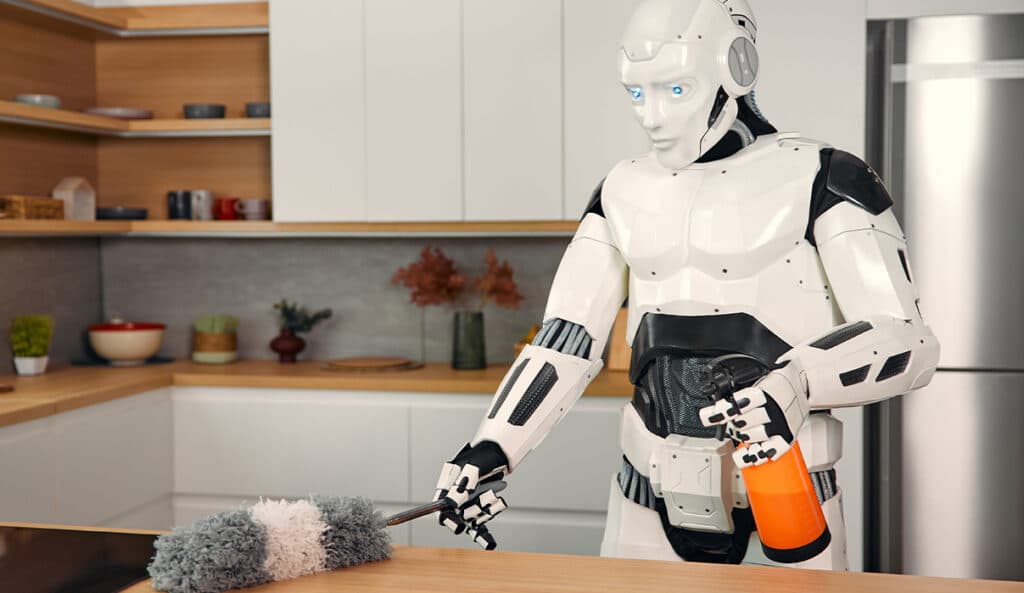
Evolution of daily professional roles
The impact of automated tools is especially visible within specific sectors. Software engineers use intelligent assistants daily to write and optimize code, while marketing teams rely on algorithms to analyze consumer behavior.
In healthcare, automated systems assist medical staff with diagnostic imaging and patient triage. Interestingly, tech-savvy junior employees utilizing these tools are occasionally outperforming more senior colleagues, disrupting traditional office structures.