As the college class of 2026 gears up for graduation, I’ve been talking with grads across the country — from California to Arkansas, Ohio to North Carolina, and Louisiana.
Some are going into investment banking, or consulting. Others are joining the nonprofit world. And a lot of them are struggling to find a job.
It’s no surprise: the entry-level job market is bleak. But between the economy, AI, and shifting markers of adulthood, it’s bleak in many different ways.
“I have had no success in my job search,” a soon to be GW graduate lamented.
“It is impossible to find a job unless you have connections. I have applied for 50+ jobs and have not had success. It is super stressful, but you just have to trust that it will work out,” said another from Tulane.
2022. Freshman year starts just post-pandemic. ChatGPT comes out, forever changing education (and the world) as we know it.
2023. Campuses erupt with protests and encampments after October 7. Collegiate life is disrupted, friendships are upended, and debate about campus free speech reignites.
2024. President Donald Trump wins reelection, wages war against higher ed, threatening international students, impacting campus aid and research opportunities for many.
2025. AI accelerates → entry level job market sees immediate impact. Just 30% of college grads land a job in their desired fields, an 11-point drop from 2024. Charlie Kirk is killed at Utah Valley University. Political violence is on the rise.
2026. ICE raids. US at war with Iran.
🎓 “Not all of us got our degrees because of ChatGPT. Many of us actually worked our butt off” — a GW grad
🎓 “I got a lot more conservative. Too many leftists on university campuses went unchallenged for too long” — UC Berkeley grad
“I got lucky with the one out of 70 that gave me a shot,” a Case Western grad said about his internship which turned into a full-time job offer.
🎓 “I feel like I’m losing my own ability to write well by over-reliance on AI, but when it can be that much faster or people in my job are going to ask me to use it next year, it’s kind of a hard argument to not. [There’s] kind of a moral anxiety between what to do and how much to use it” — a Duke grad
‼️ The trends and moments that defined their college experience: ChatGPT, October 7 and the pro-Palestine encampments, realizing that “friend breakups” were more typical in college than they seemed.
😰 Their post-grad fears: Not being happy in work, feeling stagnant, having a “terrible year” at home with parents, not leveraging a job into long-term role, not finding community or living near friends, that loans taken out won’t be worth it.
🤞🏻 Their post-grad hopes: New routine, discovering new friendships
🫠 The things they wished they were more prepared for: The transition from school to work, networking, handling personal finances
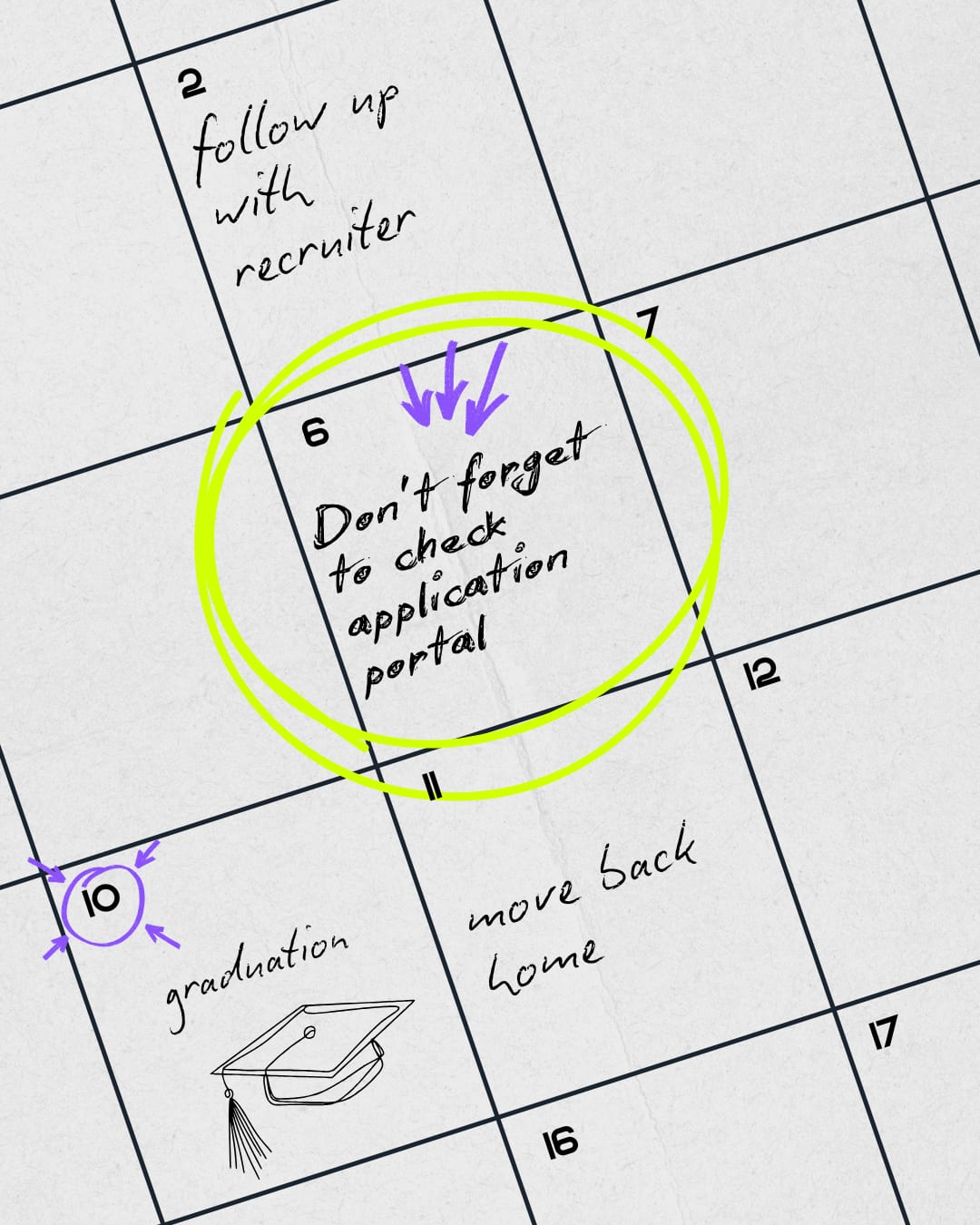
🧑🧑🧒 The coolest roommates in 2026? Their parents. “I plan to move back home and live at home for a little. I feel very lucky because most of my friends who don’t live in the city are trying to move there,” said a Syracuse grad from New York City.
“I am going to start out living with my parents as well because I live seven minutes from my office, and I want to save money to pay off student loans,” said a Duke grad from Dallas.
Here’s how the media is celebrating graduation season:
We’re digging a layer deeper with everything you need to know.