The wide-ranging order directs California to explore new protections for workers displaced by artificial intelligence.
May 21, 2026
Updated 3:01 pm PT
California Gov. Gavin Newsom speaks about his state budget proposal on Thursday, May 14, 2026, in Sacramento, California. (Jeff Chiu/AP Photo)
The move reflects growing tension among Americans over how AI is disrupting their personal lives and jobs, even as many business leaders continue to express optimism about the technology’s capabilities. Layoffs tied to AI are snowballing across many sectors of the economy, including Silicon Valley, and labor leaders are growing increasingly impatient with the governor’s cautious approach to regulating the industry.
Earlier this week, Meta announced it was laying off roughly 8,000 workers, about 10% of its workforce, as the company accelerates its shift toward AI. Intel, Cisco, Amazon and other tech giants have also dramatically reduced their headcounts in recent months, citing the need to shift spending to AI-focused employees and data center construction.
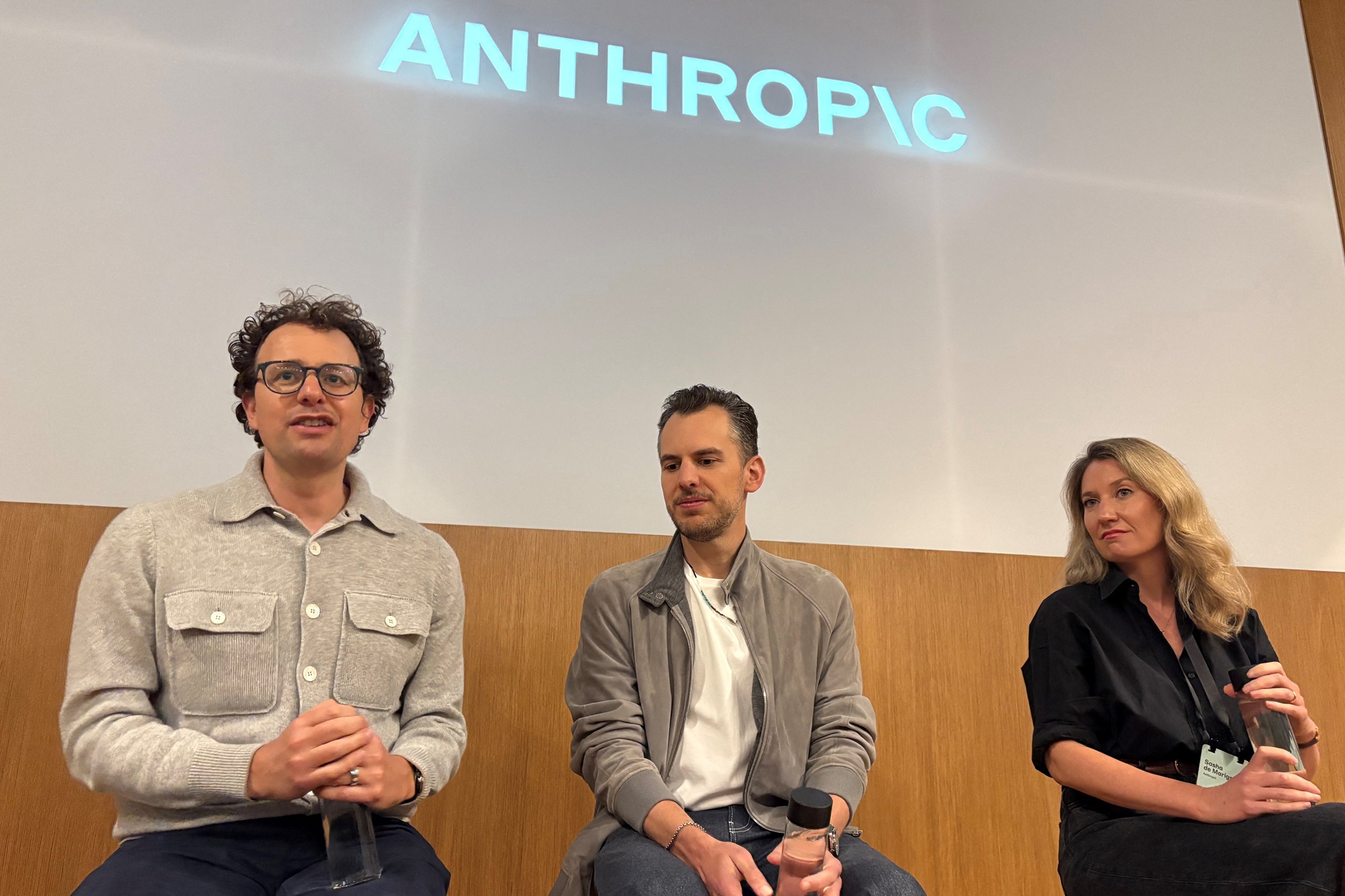
Anthropic co-founder Dario Amodei has predicted that roughly half of all white-collar jobs could disappear within five years. Most other tech leaders disagree with the specific timeline but broadly agree that AI will displace white-collar workers in engineering, communications and law in the near future.
The economic logic driving those cuts has alarmed policymakers.
Newsom posted to the social media platform X shortly after signing: “California will pursue new policies that make sure working Californians — not just Big Tech — benefit from the wealth and breakthroughs coming out of this space.”
Newsom telegraphed Thursday’s order earlier this week, when he appeared at the Center for American Progress IDEAS Conference in Washington. “Businesses are going to make a fortune, and that’s why you cannot continue to have a payroll tax system that taxes jobs and then subsidizes automation,” Newsom said.
Tom Kemp, executive director of the California Privacy Protection Agency, applauded the fact that the order named data privacy as a consumer protection concern and highlighted the CPPA’s automated decision-making technology regulations, which he called “the nation’s most comprehensive.”
Others are more skeptical. “As we recognize the existential threat AI poses, we must act with urgency to protect jobs and enact reasonable safeguards on AI for all workers before it’s too late,” Lorena Gonzalez, president of the California Federation of Labor Unions, AFL-CIO, wrote in a statement.
However, Gonzalez noted one area of genuine agreement: the order’s emphasis on collective bargaining as a tool for protecting workers from AI displacement.
“That database of AI provisions in collective bargaining agreements exists, and we have introduced bills that mirror those protections over the past few years,” she wrote, going on to chide the governor for vetoing a number of them.
According to Stanford HAI’s 2026 AI Index, software developers ages 22 to 25 are among those most likely to see their skills made redundant earliest. This year, U.S. employment fell nearly 20% from 2024, even as headcount for older developers continued to grow.
Following the job cuts announced at Meta, a union of Alphabet workers in the U.S. and Canada released a statement that suggests Silicon Valley’s own labor force may seek to organize.
“As Big Tech companies attempt to nudge ahead of each other in the AI race, our daily work lives are shifting,” Alphabet Workers Union-CWA Local 9009 said in a statement. “It’s undeniable that our whole industry is being transformed by the corporate push to adopt new AI tools. It’s hard not to feel anxiety and fear when we can see more and more tech companies cutting huge portions of their workforce both in anticipation of replacing them with AI, and to fund their multi-billion-dollar bets on AI as the future of the industry.”

Meta declined to comment, and Anthropic, OpenAI, DeepMind and Amazon did not respond in time for this report.
In February, AFL-CIO President Liz Shuler and Gonzalez delivered what amounted to an ultimatum to Newsom: regulate AI or lose labor’s support for any future presidential run. Shuler called a potential AI-driven economic collapse a coming “crisis.”
In August 2025, Newsom announced a partnership with Google, Microsoft, IBM and Adobe to expand AI education in California schools and community colleges, a workforce preparation push that now looks like a precursor to Thursday’s more sweeping order.
Newsom also announced the statewide expansion of Engaged California, a digital platform originally launched to help coordinate recovery after the 2025 Los Angeles wildfires, which will now be used to gather public input on AI’s impact on the workforce.
A backdrop of federal inaction
Newsom’s order comes as President Donald Trump on Thursday announced he was postponing signing a long-anticipated AI executive order, telling reporters, “I didn’t like what I was seeing.”
The planned federal order would have created a system for the government to vet powerful new AI models before public release, a process the administration had been negotiating with Anthropic, OpenAI, Google and xAI.
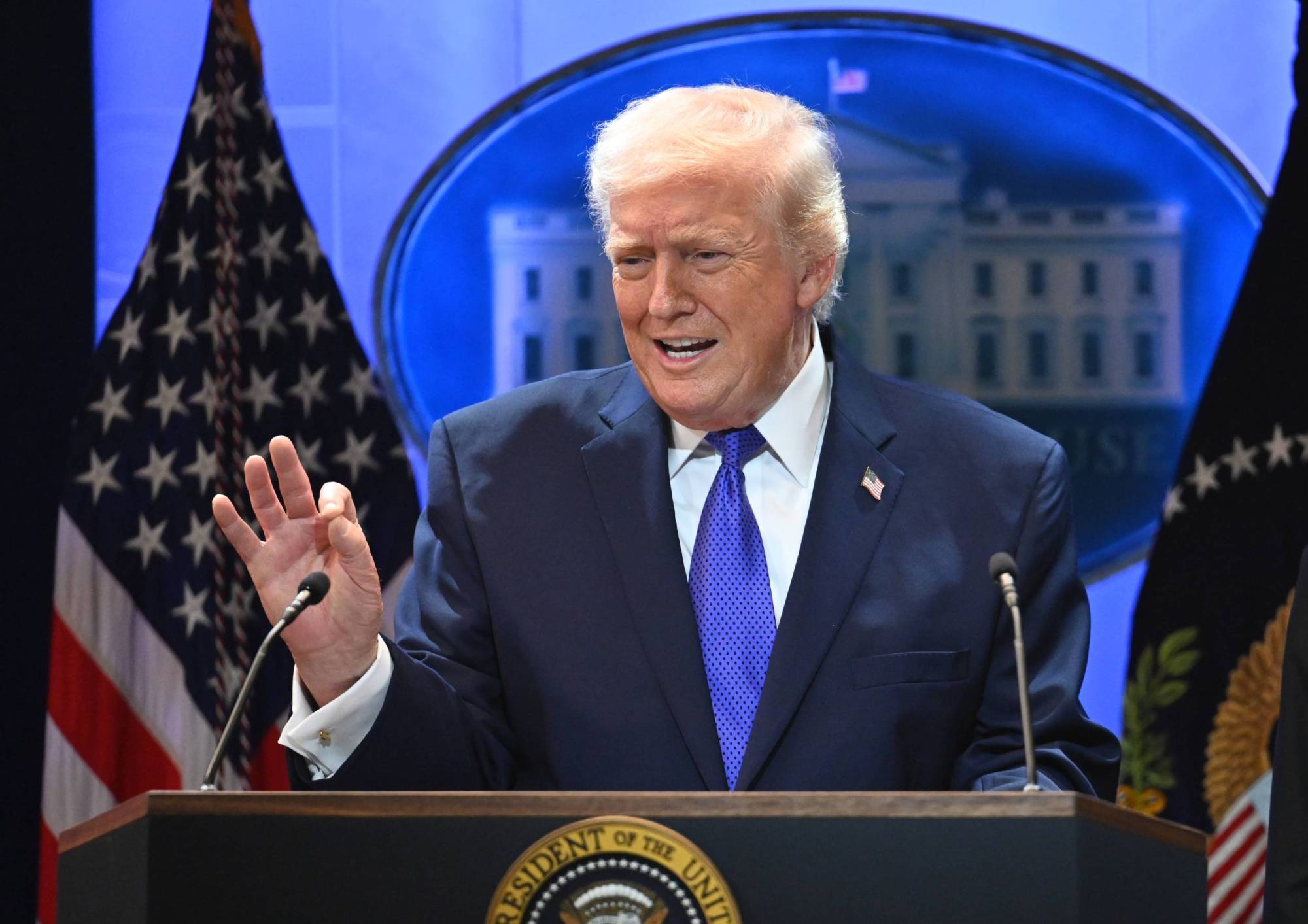
Trump has argued that aggressive AI oversight could hobble the United States in its technology competition with China, calling AI “a critical engine of the economy.” He told reporters he discussed AI safeguards with Chinese President Xi Jinping during a recent trip to China.
But it remains unclear whether the federal administration will allow California and other states to take dramatic action as AI reshapes the American labor force.
In December 2025, Trump faced backlash from California officials and consumer advocates after he issued an executive order curtailing states’ ability to regulate AI, though the order didn’t directly preempt state AI laws.